
Understanding tinnitus
Causes, Symptoms, and Management
Explore independent clinical insights into how phantom sounds develop and discover the evidence-based pathways available to help calm your auditory system.
What is tinnitus and its cause?
Tinnitus is not a disease but rather a symptom of an underlying problem. We call it tinnitus if a person constantly hears a sound that’s not made from an outside source. This means although you hear sounds, there’s no object close to you that’s making a sound. For this reason, tinnitus is sometimes referred to as phantom sounds.
This sound is often a high-pitched ringing in the ears. Others might hear a clicking, pulsing, hissing, or a whistling. Some hear screeching, static, buzzing, roaring, or whooshing sounds. It may occur in one ear or both ears and sometimes people hear it in different parts of their head or even outside of their head.
The sound and pitch of the tinnitus can be a low-roaring tone or hiss or a high-pitch ringing sound often described as cicadas. The volume of the tinnitus can be perceived at different levels and many people struggle in quiet environments such as at night.
Different Types of Tinnitus

Subjective Tinnitus
Subjective tinnitus means only you hear the sound in your ear, which is usually the case.

Objective Tinnitus
There are a few instances where other people can hear the noise. This is what we call objective tinnitus. This happens because of a cardiovascular or musculoskeletal abnormality. It could be that when your heart beats, others can also hear the pulsing sound of your blood vessels. These cases require careful diagnostic assessment and possible referral through to an Ear, Nose, and Throat Specialist.
What Can Cause Tinnitus?
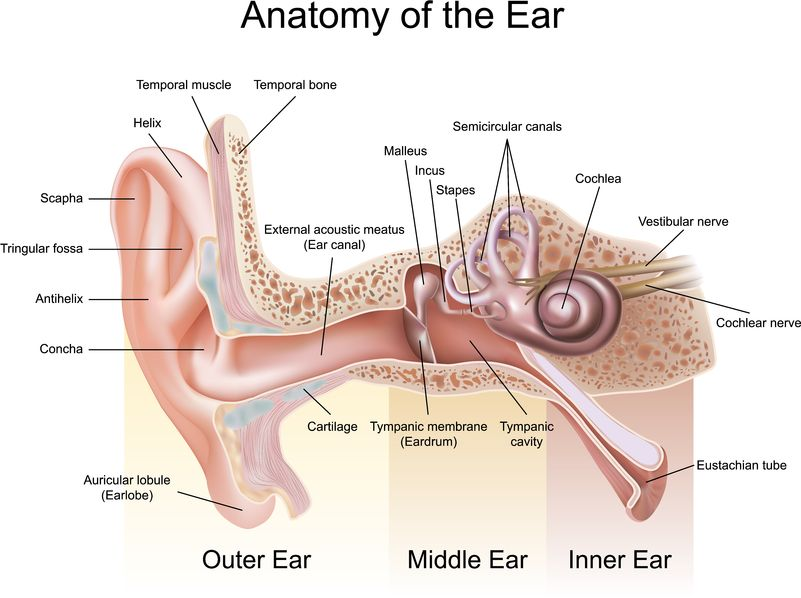
As tinnitus is a symptom rather than a cause it is important to understand any underlying health concerns in the ear. The outer and middle ear may be blocked or damaged and not conduct sound into the inner ear. Damage in the middle ear or your eardrums interferes with proper sound conduction. As a result, you are able to hear more internal sounds and one of these can be tinnitus.
As people age, they lose the sensory hair cells in their inner ear. This leads to hearing loss which is also a known cause of tinnitus. What happens when the brain receives fewer external stimuli from a particular frequency? Instinct will kick in and adapt to the change. Thus, tinnitus may be one way of how the brain fills in the missing frequency that it no longer receives.
Regular exposure to loud noise can cause a temporary or permanent hearing loss and also cause tinnitus. There is also certain drug medication that is ototoxic which can cause tinnitus as a side effect or by direct result of damage to the hearing system.
Tinnitus causes include muscle spasms, ear infections, and Meniere’s disease. In addition, high blood pressure, diabetes, and cardiovascular diseases may also cause tinnitus. Brain, head, neck injuries, and the abundance of earwax can also alter the hearing process. For cases where earwax is causing tinnitus, simply cleaning the ear can make it go away.
Struggling with persistent auditory noises?
The path to relief begins with isolating the precise physical triggers. Let our experienced independent clinicians guide you forward.
Frequently Asked Questions
How Do You Prevent Tinnitus?
Tinnitus is a common problem, especially to those in constant exposure to loud noise. People whose job involves exposure to loud noise or other heavy equipment are more likely to develop tinnitus. Listening to loud music through headphones may also cause temporary tinnitus.
As such, it’s recommended that you take extra precautions to protect your ears. First, make sure the volume of your television, music player, or radio doesn’t exceed the average sound level. When the noise level reaches 85 decibels and above, wear ear protection such as earplugs. It’s best to schedule a regular hearing test to help promptly detect and address ear problems.
Meanwhile, regular exercise and a healthy diet can help prevent tinnitus linked to obesity and diabetes. Limiting alcohol and caffeine intake as well as smoking is also advisable. These substances affect blood flow, and when used in excess, they can lead to tinnitus.
How Do You Diagnose and Treat Tinnitus?
Tinnitus diagnosis
If you suffer from persistent tinnitus an Audiologist can determine the causes and triggers which have increased your awareness of the tinnitus. Tinnitus is not a serious problem itself as it usually indicates an underlying cause. As such, getting evaluated by a hearing professional is advisable. Your Audiologist can provide you with information and perform the necessary diagnostic tests and refer to other health providers if required.

To treat tinnitus, it’s essential to treat the underlying cause
Tinnitus treatment varies depending on the problem identified during your examination. Treatment may vary from prompt ear infection care from your GP with medication or antibiotics, to discontinuing ototoxic medications. However, note that most cases of tinnitus don’t have an absolute cure. The treatment most people with tinnitus receive is for the effects of tinnitus.
The effects of tinnitus vary from one person to another depending on circumstances. Some might experience extreme fatigue, insomnia, depressions, stress, and anxiety, while others might have trouble concentrating, problems recalling memories, and headaches. Most people learn to tune the sound out or simply become accustomed to it. When this doesn’t work, people require further assistance to desensitise the brain's attention away from the tinnitus.
Information is key and a better understanding of your tinnitus from an Audiologist is essential in providing appropriate information. By determining a cause and structuring a management plan we can provide an effective treatment.
Evidence-Based Management Pathways
Try sound therapy or hearing aids
You might be wondering, “can a hearing aid stop tinnitus?” Yes, hearing aids and other masking devices can help manage tinnitus. It is well documented that hearing loss and tinnitus are highly correlated. By correcting the hearing loss with hearing devices and providing stimulation to the auditory system the tinnitus appears to reduce. This suppression is in part due to an increased awareness of environmental sounds caused by the amplification. Modern hearing devices can include a combination of amplification and tinnitus sounds which work effectively together for tinnitus management.
In sound therapy, external noises are mainly used to cover tinnitus perception. Many types of sound therapy exist to provide relief from tinnitus using sounds to distract or mask it. These include types of noise, music and relaxing environmental sounds such as ocean sounds, waves and rain to help reduce the annoyance of tinnitus.
Listen on YouTube Music and Spotify!
Tinnitus retraining therapy
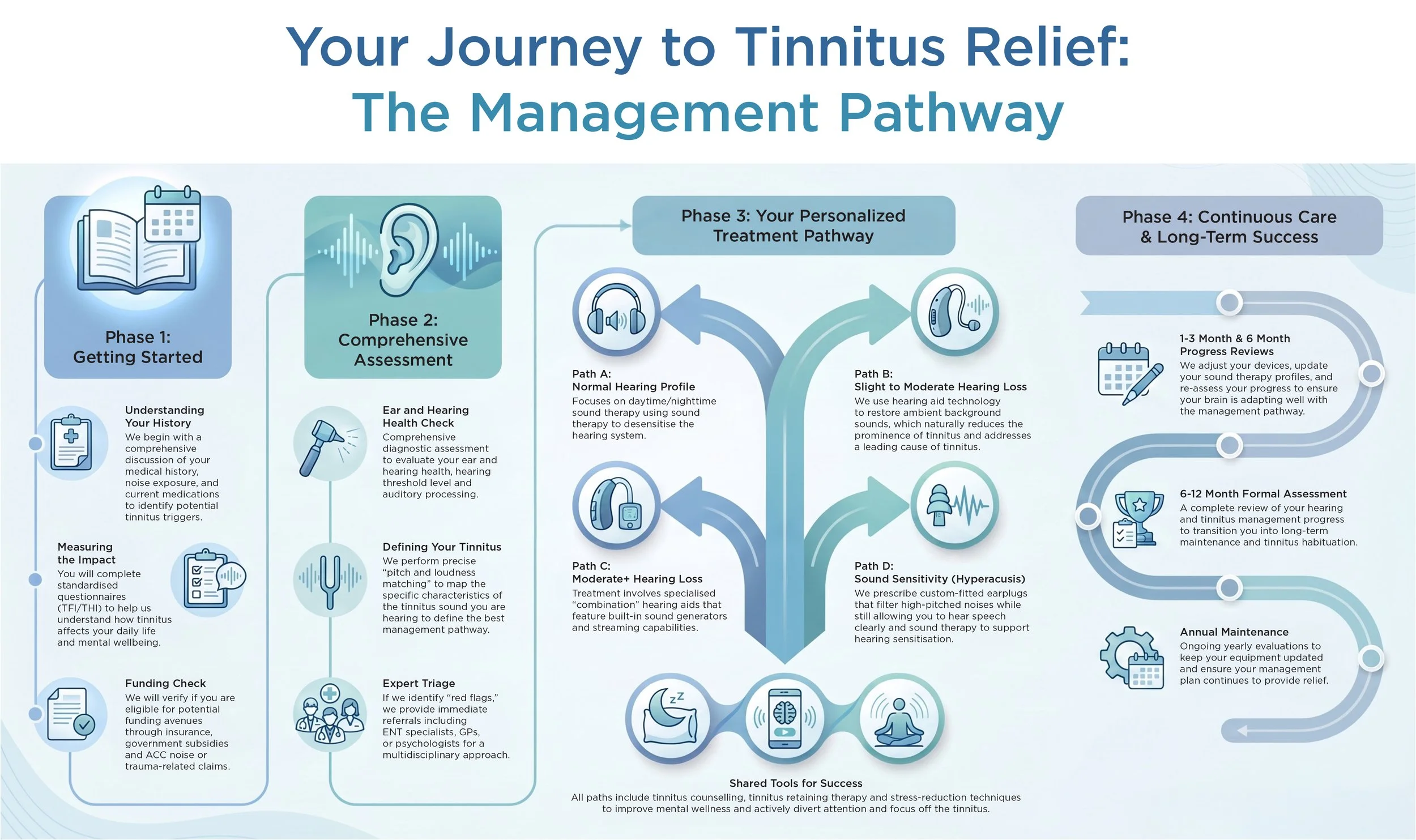
This therapy involves training your auditory system to accept the sounds that tinnitus causes as natural. This way, tinnitus becomes less noticeable and less bothersome. This treatment involves getting help from your Audiologist along with using a device that uses sounds to actively redirect your attention off the tinnitus and onto something else. Several effective programs are available that provide improvement to your tinnitus. Read more on tinnitus retaining therapy.
Tinnitus Counselling and Cognitive Behavioural Therapy (CBT)
The goal of tinnitus counselling is to help individuals understand their condition and learn how to cope with the symptoms in a positive way. Tinnitus counselling and CBT provides structured management which are effective and reducing the bothersomeness of an individuals response to tinnitus. CBT is generally provided by a trained counselor or psychologist which helps make the effects of tinnitus more manageable. CBT uses cognitive restructuring and relaxation to change how you perceive tinnitus. This helps relieve the anxiety and stress that tinnitus may be contributing to it. This results in improved life quality and mental wellbeing
Another way to treat stress and anxiety that can come with tinnitus is to maintain a healthy lifestyle. Better sleep, eating healthier food, and social engagement can help manage the effects. This is important because although stress doesn’t cause tinnitus, it does trigger it and make it worse. Part of the management process of tinnitus is to adhere to regular follow ups and reviews which will be booked as part of your management plan. Read more on tinnitus counselling.
Hearing Aids and Tinnitus Maskers
It is well documented that hearing loss and changes in the health of the auditory systems are a leading cause of tinnitus. By correcting and managing the hearing loss with hearing and tinnitus devices, the auditory system can desensitise and reduce the an individuals awareness and volume of the tinnitus. This suppression is in part due to an increased awareness of environmental sounds caused by the amplification in a tinnitus device adjusted specifically for tinnitus. Modern tinnitus devices include a combination of amplification and tinnitus sounds which work effectively together for tinnitus management. Read more on how hearing aids can be used for tinnitus.
Ready to Structure Your Tinnitus Management Plan?
Do not struggle through quiet environments or sleepless nights alone. Speak directly with our dedicated specialist team to map out an effective, personalised solution.
Or call our Auckland clinic directly on 09 283 0200